What Omaha Homeowners Should Know About Snow Mold and Other Winter Lawn Diseases
Learn how Omaha homeowners can prevent and identify snow mold and other winter lawn diseases. Understand causes, symptoms, and recovery strategies for a healthy spring lawn.
Winter brings a layer of calm to Omaha lawns, but it also brings conditions that quietly set the stage for turf diseases. While your grass rests during the cold months, moisture, temperature fluctuations, and snow cover can create an environment where winter lawn diseases thrive. Snow mold is the most common concern for homeowners in the Omaha metro, but it is not the only issue that appears during winter and early spring.
At Brightside, we help homeowners understand how winter conditions affect their lawns long before the growing season begins. Knowing what to look for and how to prevent disease helps protect your lawn’s health and reduces the amount of spring recovery work required. This guide explains what snow mold is, when it develops, how to recognize it, and what Omaha homeowners can do to prevent and treat winter lawn diseases.
Why Winter Lawn Diseases Are Common in Omaha
Omaha’s winter weather patterns create ideal conditions for turf disease. Our region often experiences Prolonged snow cover Freeze thaw cycles Moisture trapped beneath ice Dense turf that stays wet during dormancy When cool season grasses like Kentucky bluegrass and fescue remain wet for extended periods, fungi can develop and spread. Because lawns are dormant, they cannot fight off infection until temperatures warm up in spring.
Understanding how these conditions form helps homeowners take proactive steps throughout fall and winter.
What Is Snow Mold
Snow mold is a fungal disease that forms under snow cover, especially when the ground is not fully frozen before snowfall. Omaha commonly sees early snowfalls followed by warming trends, which allow fungi to develop beneath the snow.
There are two types of snow mold Pink snow mold which is more severe and can damage the crown of the grass plant Gray snow mold which primarily affects leaf tissue and is less harmful long term Both appear in early spring as the snow melts and expose patches of matted, discolored turf.
How to Identify Snow Mold in Your Lawn
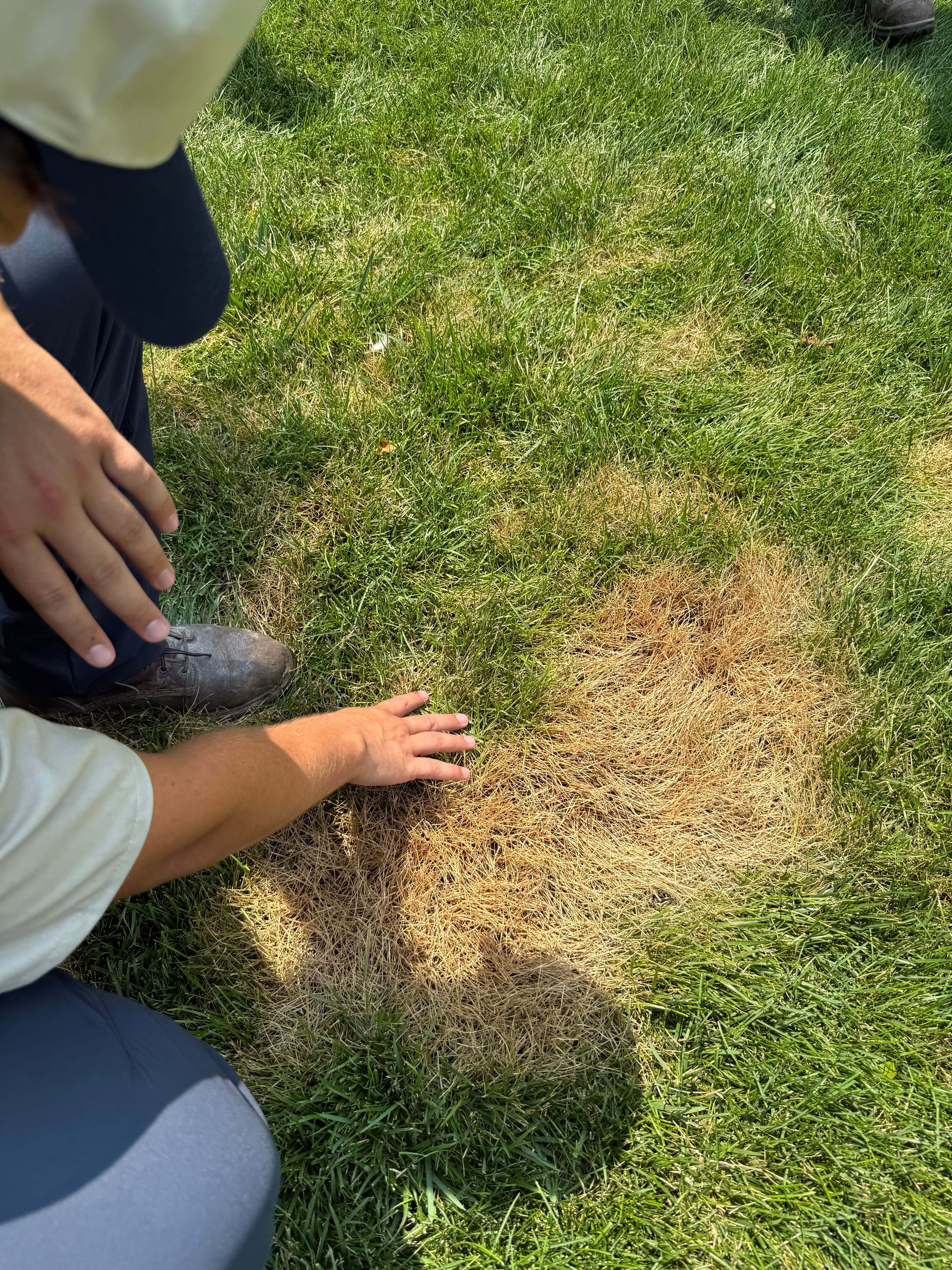
Snow mold is usually easy to recognize once the snow recedes. Look for Circular patches of matted grass Gray, white, or pink fungal growth Areas of turf that feel slimy or stuck together Spots that look waterlogged or flattened.
As the grass begins to dry, the fungal material often becomes more visible. Snow mold usually appears in shaded areas, spots where snow piles were placed, or areas that held moisture for long periods.
What Causes Snow Mold to Develop
Snow mold thrives under specific winter conditions. These include Early snow cover before the ground freezes Heavy snow accumulation that sits for weeks Thick layers of fall leaves left on the lawn Grass that was left too long going into winter Poor drainage or compacted soil Excess shade that prevents drying These conditions create a damp, insulated environment where fungi can grow unchecked during the dormant months.
Can Snow Mold Kill Your Grass
Most cases of snow mold look worse than they are. Gray snow mold rarely kills grass completely. Pink snow mold, however, can damage the crown of the plant and lead to permanent thinning if left untreated. Fortunately, even lawns with moderate snow mold damage usually recover well with proper spring care. The key is to act early and avoid practices that allow the disease to spread.
How Omaha Homeowners Can Prevent Snow Mold
Although you cannot control the weather, you can greatly reduce the risk of snow mold with a few fall and winter habits. Mow at the correct height before winter Keep grass shorter during the final mows of the season Avoid leaving thick layers of leaf debris on the lawn.
Improve late fall lawn care Apply a balanced late season fertilizer Break up heavily matted leaves Address drainage issues in low lying areas. Manage snow placement Avoid piling snow onto the lawn when possible Spread snow piles across larger areas to limit prolonged coverage.
Prevent moisture retention Clear excess debris Thin out dense areas of turf during growing season Ensure proper airflow around the lawn. By combining good fall preparation with smart winter maintenance, you drastically reduce disease risk.
What to Do If You Find Snow Mold in Spring
If your lawn shows signs of snow mold as the snow melts, do not panic. Most cases are treatable with simple steps. Gently rake the affected areas This lifts matted turf and helps the soil dry out. Allow sunlight to reach the damaged spots Drying is one of the quickest ways to stop fungal activity Apply a light spring fertilizer Nutrients help your lawn recover and grow out of the damage Monitor soil drainage If water pools, you may need aeration later in spring.
For severe cases or lawns repeatedly affected year after year, Brightside can create a tailored recovery and prevention plan.
Other Winter Lawn Diseases Omaha Homeowners Should Know About
While snow mold is the most visible disease in winter, a few others can appear under certain conditions. Cold desiccation Occurs when strong winter winds dry out turf faster than roots can replace moisture Common on exposed hillsides or south facing areas. Crown freeze injury Happens when warm winter days cause the crown to thaw, then sudden cold refreezes it Can cause patchy thinning in spring.
Frost heaving Not a disease, but a soil movement issue that exposes roots More common in compacted soils. These conditions highlight the importance of soil health, proper mowing practices, and good drainage.
Why Snow Mold Appears More Often in Some Omaha Neighborhoods
Certain areas of the metro experience snow mold more frequently due to environmental factors such as Dense tree cover Poor airflow between homes Clay heavy soils with slow drainage Large snow plow piles from neighborhood streets.
Homeowners in older tree lined neighborhoods like Dundee or Country Club often see more snow mold than homes in newer developments with wider lots.
How Brightside Helps Prevent and Treat Winter Lawn Diseases
Brightside uses a year round approach to turf health. Our team evaluates your lawn each season and recommends preventive strategies tailored to your property.
We help homeowners by Adjusting mowing height before winter Managing leaf cleanup and fall preparation Monitoring snow placement and moisture issues Planning aeration and overseeding when needed Creating fertilization programs that strengthen turf. With proactive care, Omaha lawns can resist winter disease and bounce back quickly once spring arrives.