What Omaha Lawns Need Before Spring Arrives and What Can Wait
Learn what Omaha lawns actually need before spring arrives and which lawn care tasks can wait. Understand winter dormancy, timing, and early season priorities.
As January comes to a close, many Omaha homeowners start thinking about spring lawn care. Warmer days are still weeks away, but winter has a way of making lawn problems feel more urgent than they really are. Knowing what actually needs attention now and what is better left for later helps homeowners avoid unnecessary work and set realistic expectations for early spring. This guide walks through what Omaha lawns benefit from before spring arrives and which tasks are best handled once growing conditions return.
Understanding Winter Dormancy in Omaha Lawns
Most Omaha lawns are made up of cool season grasses that go dormant during winter. Dormancy is not a sign of damage. It is a natural survival response to cold temperatures and limited daylight. While dormant, grass growth slows dramatically, root activity is minimal, and nutrient uptake is limited. Because of this, many lawn treatments simply are not effective during winter. Recognizing dormancy helps homeowners focus on the right priorities instead of forcing early action.
What Is Worth Doing Before Spring
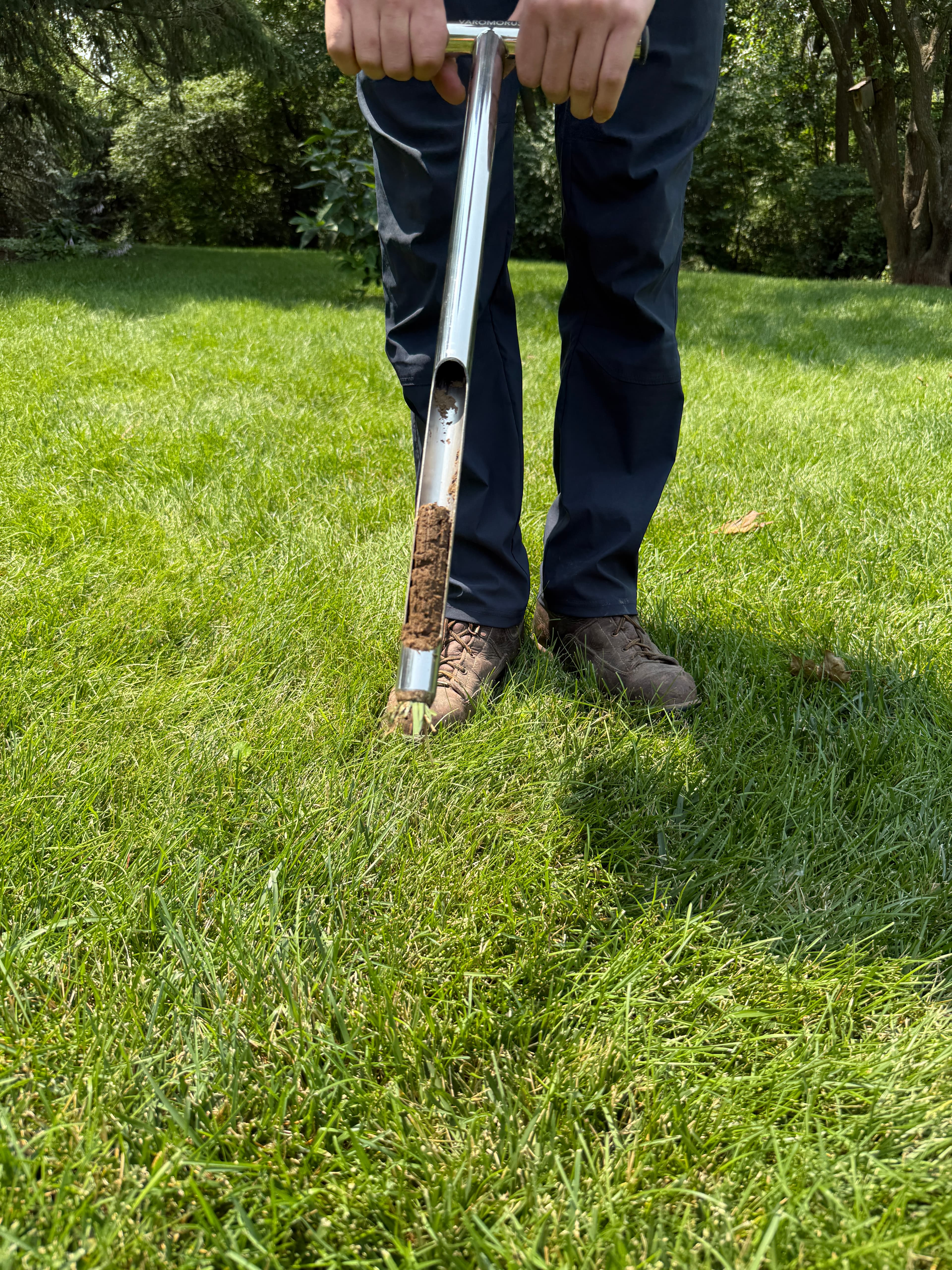
There are a few things homeowners can do during late winter that genuinely help lawns transition into spring more smoothly. Clearing debris is one of the most helpful steps. Leaves, sticks, and windblown material trap moisture and block sunlight. Removing them allows turf to dry faster when temperatures rise and reduces disease risk. Monitoring drainage is another valuable task. Winter thaws reveal areas where water pools or flows poorly. Identifying these spots now helps homeowners plan aeration or soil improvement before spring growth begins. Protecting high traffic areas also matters. Limiting foot traffic on frozen turf prevents thinning and soil compaction that show up later in the season.
What Can Wait Until Spring Growth Begins
Many common lawn tasks are better delayed until grass is actively growing. Fertilization is one of them. Applying fertilizer too early often wastes nutrients because grass cannot absorb them effectively during dormancy. Waiting until soil temperatures rise ensures fertilizer supports growth instead of runoff. Aggressive raking is another task to postpone. While light raking to remove debris is helpful, heavy raking can damage dormant grass and delay recovery. Overseeding also belongs later in the season. Seed needs consistent warmth and moisture to germinate. Early seeding often fails due to cold soil and unpredictable weather.
Why Timing Matters More Than the Calendar
One of the biggest mistakes homeowners make is relying on dates instead of conditions. Omaha weather varies widely from year to year, and spring does not arrive on the same schedule. Soil temperature, moisture levels, and grass response matter far more than the date on the calendar. Waiting for the right conditions allows lawn care efforts to actually work rather than simply checking tasks off a list.
Winter Damage Often Looks Worse Than It Is
As snow melts, lawns may appear patchy, flattened, or discolored. This can be alarming, but most winter damage is cosmetic. Matted grass usually stands back up with airflow and sunlight. Discoloration often fades as growth resumes. True damage becomes clearer once the lawn begins growing. Patience during this transition prevents unnecessary treatments and allows the lawn to recover naturally.
Early Planning Without Early Action
Late winter is an excellent time for planning, even if treatments wait. Homeowners can use this time to think about aeration, overseeding, fertilization schedules, and mowing habits. Planning now allows spring care to begin smoothly when conditions are right. It also prevents rushed decisions once the season is already underway.
How Omaha Lawns Benefit from a Gradual Spring Start
Lawns that ease into spring tend to perform better throughout the year. Gradual nutrient introduction, proper mowing timing, and soil focused care support steady growth instead of sudden stress. By letting winter end naturally and responding to conditions rather than impatience, homeowners set their lawns up for stronger roots, better density, and fewer problems later.
How Brightside Helps Lawns Transition from Winter to Spring
At Brightside, we help Omaha homeowners navigate the shift from winter dormancy to active growth. Our approach focuses on timing, soil health, and realistic expectations. By monitoring conditions and adjusting services accordingly, we help lawns wake up naturally and stay healthier throughout the season.