How Snow and Ice Impact Lawn Growth in Early Spring in Omaha
Learn how snow and ice impact early spring lawn growth in Omaha. Understand insulation, ice cover, moisture stress, and realistic recovery expectations.
Snow and ice play a larger role in early spring lawn performance than most Omaha homeowners realize. While winter weather protects grass in some ways, it can also create conditions that affect how lawns wake up once temperatures rise. The way snow accumulates, melts, and refreezes directly influences soil moisture, oxygen levels, and turf health.
Understanding how snow and ice interact with your lawn helps set realistic expectations and guides smarter early season care decisions.
Snow Acts as Insulation for Dormant Grass
A consistent snow layer can actually protect lawns during winter. Snow insulates the soil, keeping temperatures more stable and shielding grass crowns from extreme cold.
In Omaha, lawns with steady snow cover often experience less winter injury than areas exposed to fluctuating temperatures. This insulation helps grass survive winter dormancy with less stress.
However, snow does not benefit lawns equally in all situations.
Uneven Snow Cover Creates Uneven Spring Growth
Snow rarely melts evenly across a lawn. South facing areas and raised sections often clear first, while shaded or low lying spots hold snow longer.
These differences affect soil temperature and moisture levels. Areas that warm sooner begin growth earlier, while shaded or snow covered zones lag behind. This creates the patchy early green up common in Omaha lawns.
This uneven growth is normal and usually resolves as conditions stabilize.
Ice Layers Can Limit Oxygen Movement
Ice is more problematic than snow. When snow melts and refreezes into ice, it can seal the soil surface and limit oxygen exchange.
Prolonged ice cover reduces oxygen availability to grass crowns and roots. This can weaken turf and slow spring recovery, especially in low spots where ice lingers.
Drainage plays a key role in how severe this impact becomes.
Freeze Thaw Cycles Affect Soil Structure
Omaha winters often include repeated freeze thaw cycles. These cycles expand and contract soil, which can have mixed effects.
On the positive side, freeze thaw action can slightly loosen compacted soil. On the negative side, it can disrupt roots and create surface unevenness if conditions are extreme.
Understanding this balance helps explain why some lawns emerge from winter stronger than others.
Snow Piles Increase Moisture Stress
Snow piles from sidewalks, driveways, and streets often end up in the same areas repeatedly. These piles melt slowly, saturating the soil for extended periods.
Excess moisture reduces oxygen availability and increases disease risk. Grass under snow piles frequently greens up last and may appear thinner or stressed in spring.
Managing snow placement helps reduce these issues.
Snow Mold Is Linked to Prolonged Snow Cover
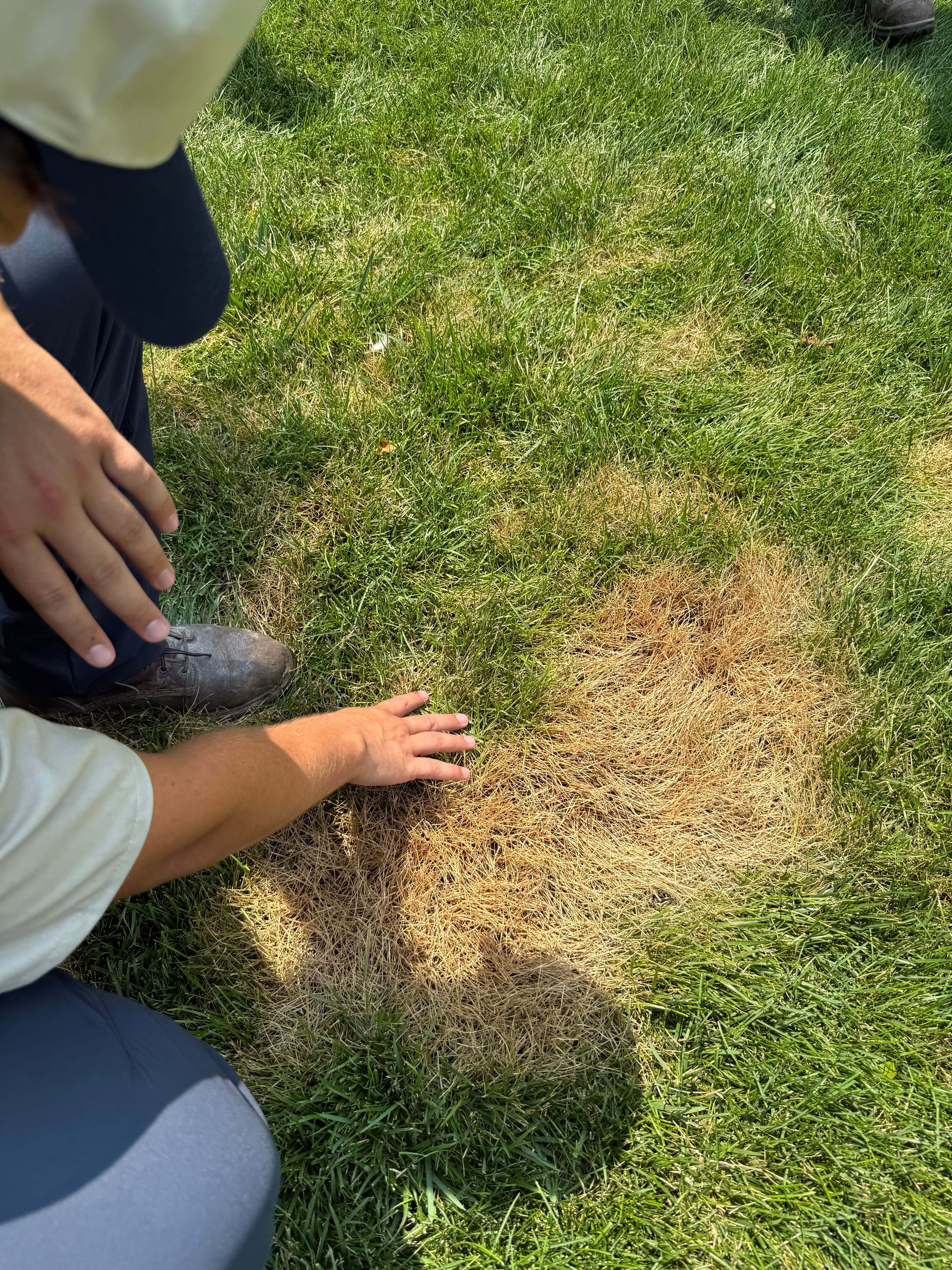
Extended snow cover combined with wet conditions can encourage snow mold development. This fungal disease often appears after snow melts and creates matted patches of grass.
While snow mold looks severe, most cases are cosmetic. Once the lawn dries and airflow improves, grass typically recovers.
Understanding the role snow plays in snow mold helps homeowners respond calmly rather than aggressively.
Early Spring Appearance Can Be Misleading
As snow and ice retreat, lawns often look uneven, flattened, or discolored. These early impressions do not reflect long term health.
Grass needs time to stand back up, dry out, and resume growth. Many issues visible in February and early March resolve naturally as soil temperatures rise.
Patience during this phase prevents unnecessary treatments.
How to Support Recovery After Snow Melt
Once snow melts, gentle care supports lawn recovery. Clearing debris allows sunlight and air movement. Avoiding heavy traffic prevents additional compaction while soil is soft.
Allowing the lawn to dry between moisture events helps roots regain oxygen. These simple steps create better conditions for spring growth.
How Brightside Accounts for Snow and Ice Effects
At Brightside, we factor winter snow and ice patterns into early spring planning. We evaluate moisture levels, compaction, and turf response before recommending treatments.
This approach ensures lawn care decisions are based on conditions rather than assumptions.