How Soil Temperature Signals the Real Start of Lawn Growth in Omaha
Soil temperature, not air temperature, determines when lawns truly wake up in Omaha. Learn how understanding soil warmth leads to better spring lawn care results.
Every spring in Omaha, the same pattern shows up across neighborhoods from Elkhorn to Dundee. A few warm afternoons arrive, coats come off, and homeowners start wondering if lawn season has officially begun. The grass might even hint at green. But what we see year after year at Brightside is this. Air temperature does not determine when your lawn actually starts growing. Soil temperature does.
Understanding soil temperature is one of the most overlooked factors in successful spring lawn care in Omaha. It explains why some lawns wake up sooner, why rushing treatments can cause setbacks, and why patience in early March often leads to better results all season long.
Why Soil Temperature Matters More Than Air Temperature
Nebraska spring weather is unpredictable. Daytime highs can swing wildly from one week to the next. Grass roots do not respond to short term air temperature changes. They respond to the temperature of the soil surrounding them.
When soil temperatures remain cold, grass stays mostly dormant even if it looks greener on the surface. Root growth remains limited, nutrient uptake slows, and the lawn cannot fully benefit from fertilizer or watering yet. Applying treatments before the soil is ready often leads to wasted applications and uneven results.
In Omaha, meaningful lawn growth typically begins once soil temperatures consistently reach the low to mid 50s. That point often arrives later than many homeowners expect.
What Happens Underground Before You See Growth
Long before you see noticeable growth above ground, important changes are happening below the surface. As soil temperatures gradually rise, grass plants shift from winter survival into recovery.
Roots begin repairing winter stress. Soil microbes become more active, making nutrients available. The lawn prepares for new blade growth, but it moves slowly and deliberately. This process cannot be rushed without consequences.
If the soil stays cold, these processes stall. That is why lawns can look unchanged for weeks despite warmer weather.
How Omaha Soil Types Affect Warming Speed
Not all lawns in Omaha warm up at the same rate. Soil composition plays a major role.
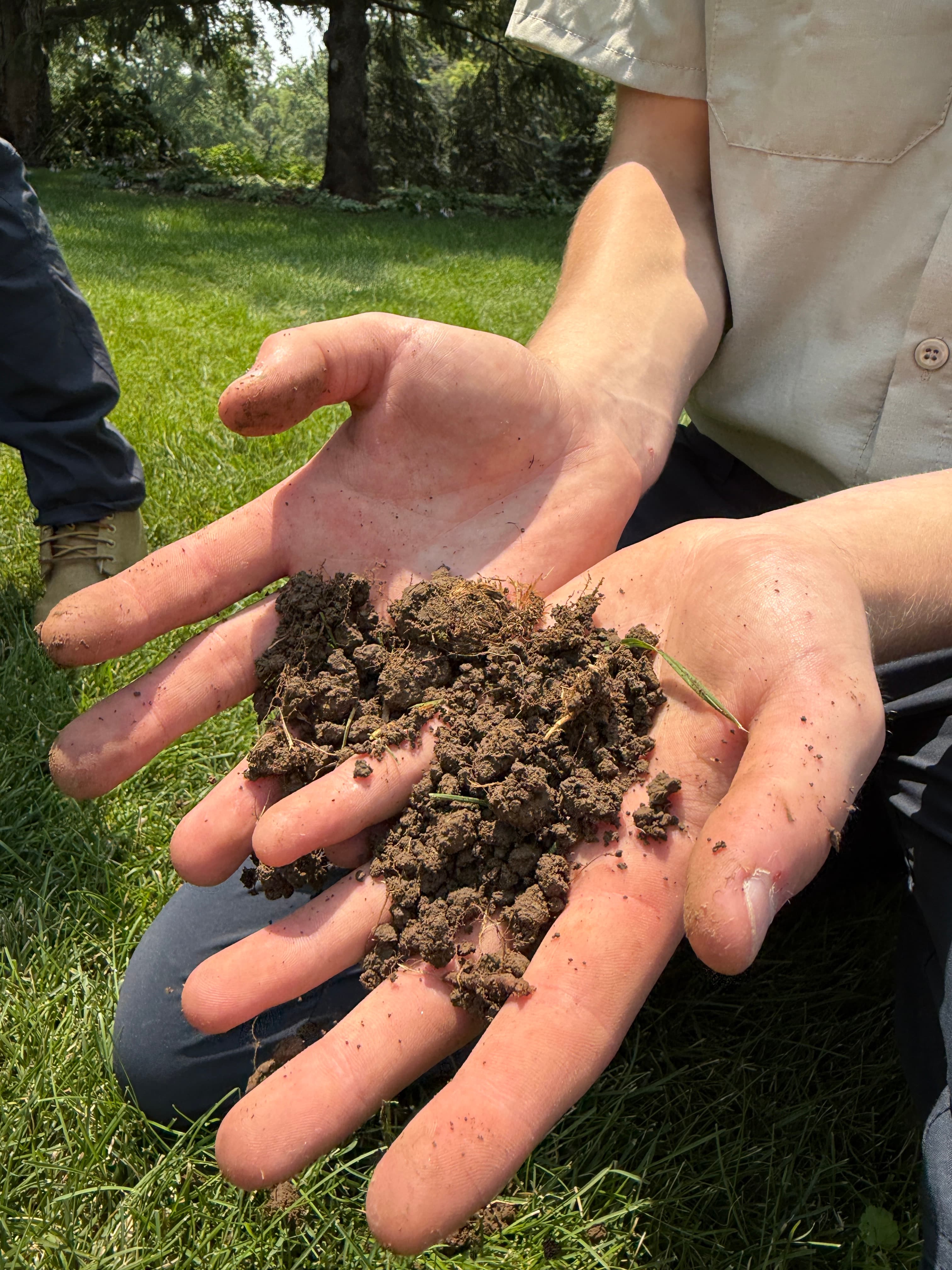
Clay heavy soils, which are common throughout the metro area, warm more slowly than sandy or loamy soils. These soils retain moisture longer, keeping temperatures lower. Lawns with shade or drainage challenges also lag behind.
This explains why two neighboring lawns can behave very differently in early spring. It is not neglect. It is soil structure.
At Brightside, these differences are built into how we time lawn fertilization in Omaha and other early season services.
False Spring and Why It Confuses Homeowners
Omaha is well known for false spring. A stretch of warm days suggests winter is over, only for cold nights and snow to return.
During false spring, surface temperatures may rise briefly while soil temperatures stay low. Grass blades may respond slightly, but roots remain dormant. This creates the illusion that the lawn is ready when it is not.
Mowing too early, fertilizing too soon, or aggressively raking during this period often sets the lawn back instead of helping it.
Signs Your Soil Is Truly Warming
Rather than watching the forecast, observe how your lawn behaves.
When soil temperatures rise consistently, green color becomes more uniform. Growth does not stall after cold nights. The lawn begins recovering from winter thinning without repeated setbacks.
Professional lawn care teams monitor soil temperatures directly, allowing treatments to be timed accurately rather than guessed.
Why Early Fertilizer Depends on Soil Temperature
One of the most common spring mistakes is applying fertilizer as soon as snow melts. When soil is still cold, grass cannot efficiently absorb nutrients.
Fertilizer applied too early may sit unused or wash away with spring rain. It can also push top growth before roots are ready, weakening turf later in the season.
Properly timed early spring fertilization supports root development first, which leads to thicker, healthier lawns long term.
Patience Now Prevents Problems Later
March is a transition month for Omaha lawns. It is not about forcing growth. It is about allowing the lawn to wake up naturally.
Lawns pushed too early often struggle with thinning, weeds, and summer stress. Lawns that follow soil temperature cues build stronger roots and better resilience.
This is why Brightside prioritizes timing over trends.
What Homeowners Should Do in Early March
Early March is about observation, not heavy action.
Limit foot traffic when soils are wet. Avoid aggressive raking while the lawn is still soft. Wait to mow until growth is steady and consistent.
If you work with a professional lawn care provider, this is the phase where monitoring and planning make the biggest difference.
A Smarter Way to Start the Season
Understanding soil temperature removes guesswork from spring lawn care. It explains why waiting is often the smartest move and why professional timing matters.
At Brightside, we design lawn care programs around how Omaha lawns actually grow. When soil temperatures signal that growth has truly begun, that is when real results follow.