Why Raking Too Early Can Set Back Your Omaha Lawn
Raking too early can damage grass crowns and thin turf in Omaha lawns. Learn when spring raking helps and when it actually sets your lawn back.
As winter begins to loosen its grip in Omaha, many homeowners feel the urge to get outside and clean things up. Leaves, twigs, and leftover debris from winter are scattered across the lawn, and raking feels like the first productive step toward spring.
At Brightside, we see this every year. Raking too early is one of the most common spring lawn mistakes in Omaha, and it often causes more damage than homeowners realize. Timing matters, especially with Nebraska's unpredictable spring weather and heavy soils.
Understanding when and how to rake can make the difference between a lawn that rebounds quickly and one that struggles well into summer.
Why Early Spring Lawns Are More Fragile Than They Look
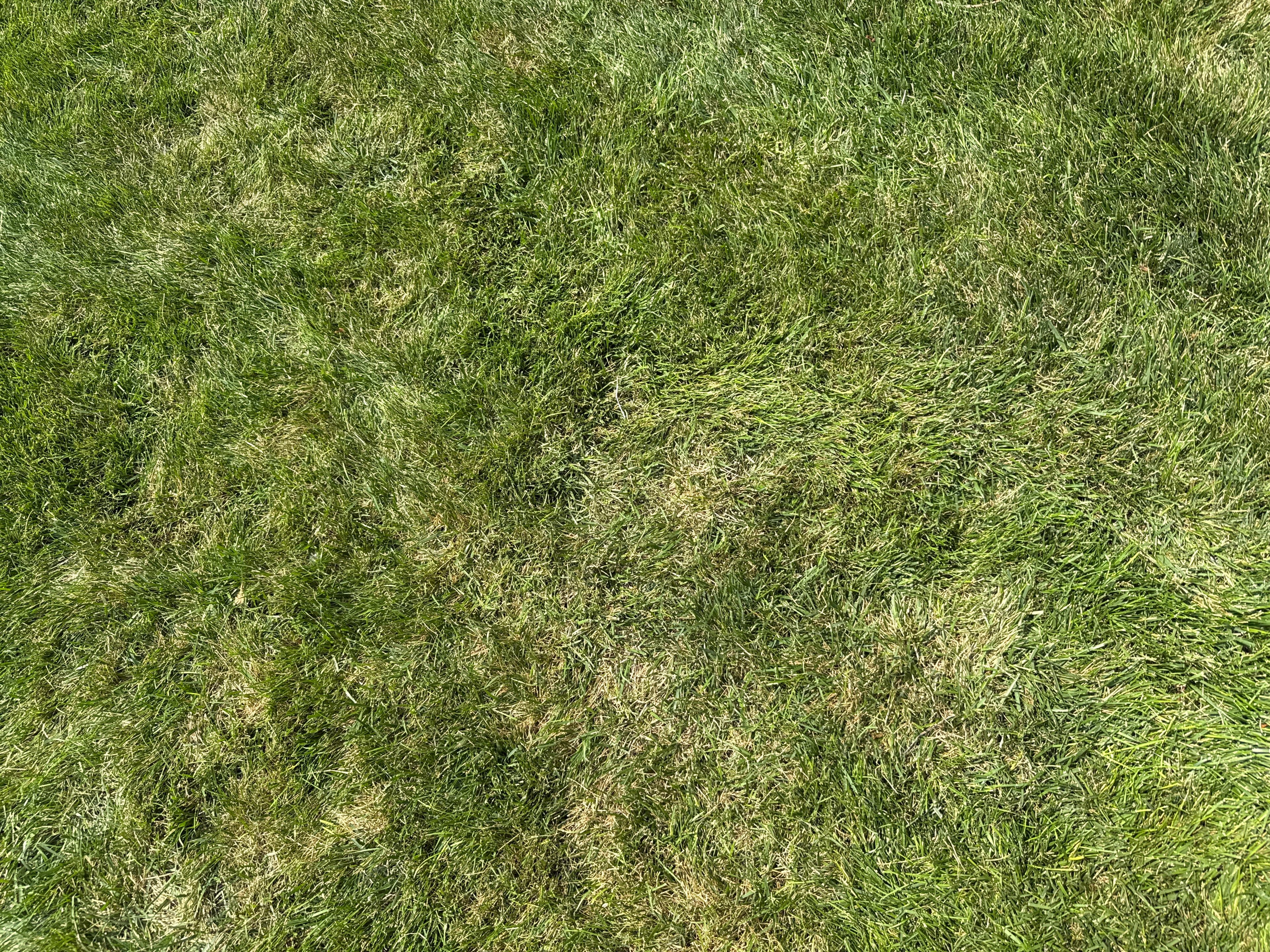
In early March, most Omaha lawns are still in a transition phase. While grass may appear dormant or lightly greened, the crown of the plant is extremely vulnerable. The crown is where new growth originates, and during late winter and early spring it is often soft and easily damaged.
When soil is cold and saturated, grass roots have very little anchoring strength. Aggressive raking during this period can tear plants loose, thin turf density, and create bare areas that weeds later exploit.
What looks like harmless cleanup can quietly undo months of healthy lawn development.
The Role of Soil Moisture in Early Spring Damage
Omaha soils tend to hold moisture well, especially clay heavy soils common throughout the metro area. After snowmelt and early spring rain, lawns often remain saturated for extended periods.
When soil is wet, raking pressure transfers directly to the root zone. Grass plants can be pulled up instead of brushed clean. Compaction can also occur when homeowners walk repeatedly across soft turf.
This is why lawns that are raked too early often appear thin or uneven later in spring, even if they looked fine immediately after cleanup.
Why Dormant Grass Still Needs Protection
A common misconception is that dormant grass is tough and can handle rough treatment. In reality, dormant grass is conserving energy, not defending itself.
During dormancy, grass blades may look lifeless, but the plant is still alive. The crown and root system are simply waiting for the right soil conditions to resume growth. Raking too early disrupts this natural process by removing protective material and physically stressing the plant.
In Omaha, where spring temperatures fluctuate dramatically, lawns need that extra buffer while conditions stabilize.
The Difference Between Light Cleanup and Aggressive Raking
Not all raking is bad. The problem is how and when it is done.
Light debris removal using gentle techniques can be helpful once the lawn begins firming up. Aggressive dethatching style raking, however, should never happen while grass is still dormant or soil remains soft.
Many homeowners unintentionally dethatch their lawn in early March when they believe they are just cleaning it up. True dethatching should only be done when grass is actively growing and capable of recovery.
How Early Raking Affects Weed Pressure Later
One of the less obvious consequences of raking too early is increased weed pressure later in the season. When grass crowns are damaged or pulled out, bare soil is exposed.
In Omaha, spring weeds are quick to take advantage of open space. Thin areas created in March often become prime spots for crabgrass and other invasive weeds once soil temperatures rise.
Protecting turf density early helps naturally suppress weeds later, reducing the need for corrective treatments.
When Is the Right Time to Rake in Omaha
Rather than relying on the calendar, look for physical signs that your lawn is ready.
Soil should feel firm underfoot, not spongy or muddy. Grass blades should show signs of consistent growth, not just isolated green patches. Nighttime temperatures should remain above freezing more often than not.
For many Omaha lawns, this window opens later than homeowners expect, often mid to late March depending on the year.
At Brightside, we adjust cleanup timing based on real conditions, not arbitrary dates.
Why Professional Spring Cleanups Are Timed Differently
Professional lawn care teams approach spring cleanup with restraint. We know that removing debris too early can be worse than leaving it temporarily.
Our spring cleanup services are designed to protect turf first and clean second. That means monitoring soil firmness, moisture levels, and growth patterns before performing any aggressive work.
This approach leads to stronger lawns that recover faster and require fewer repairs later.
What Homeowners Can Safely Do Instead
If you are eager to get outside in early March, there are safe ways to help your lawn without causing harm. Remove large debris like branches by hand. Keep foot traffic minimal in soggy areas. Focus on landscape beds, hard surfaces, and edges where cleanup does not impact turf health.
Patience during this phase pays off once the lawn is truly ready for active care.
Long Term Benefits of Waiting
Lawns that avoid early damage green up more evenly. They maintain better density. They respond more efficiently to fertilization and watering once soil temperatures rise.
Homeowners often assume early action leads to faster results. In Omaha, smart timing almost always wins. By waiting until conditions are right, you give your lawn the best chance to thrive throughout the growing season.
Setting the Tone for the Entire Season
March is about preparation, not perfection. Decisions made now influence everything from weed pressure to summer stress tolerance.
Raking at the right time protects your investment and supports the natural growth cycle of your lawn. At Brightside, we help Omaha homeowners navigate these seasonal transitions with confidence, so their lawns look better not just in spring, but all year long.