How to Spot Winter Lawn Damage That Will Not Fix Itself
Some winter lawn damage in Omaha will recover naturally, but other areas need attention. Learn how to spot lawn damage that will not fix itself.
As Omaha lawns begin to wake up in early spring, many homeowners notice areas that look worse than expected. Thin patches, matted grass, or discolored spots can be unsettling. One of the most common questions we hear at Brightside every March is whether these areas will fix themselves or need attention.
Not all winter lawn damage is permanent. But some types will not resolve on their own, especially in Omaha where freeze thaw cycles, snow cover, and soil conditions can create lasting stress. Knowing the difference early helps homeowners avoid frustration and make smarter decisions.
Why Some Winter Damage Disappears on Its Own
Grass is resilient. Much of what looks like damage in early March is simply dormancy or delayed green up. Flattened grass from snow cover often stands back up once growth resumes. Light discoloration can correct itself as soil temperatures rise and roots become active. Uneven green up is common and usually temporary.
This type of damage improves steadily without intervention, as long as the lawn is not further stressed.
Signs Damage Is More Than Dormancy
True winter damage behaves differently.
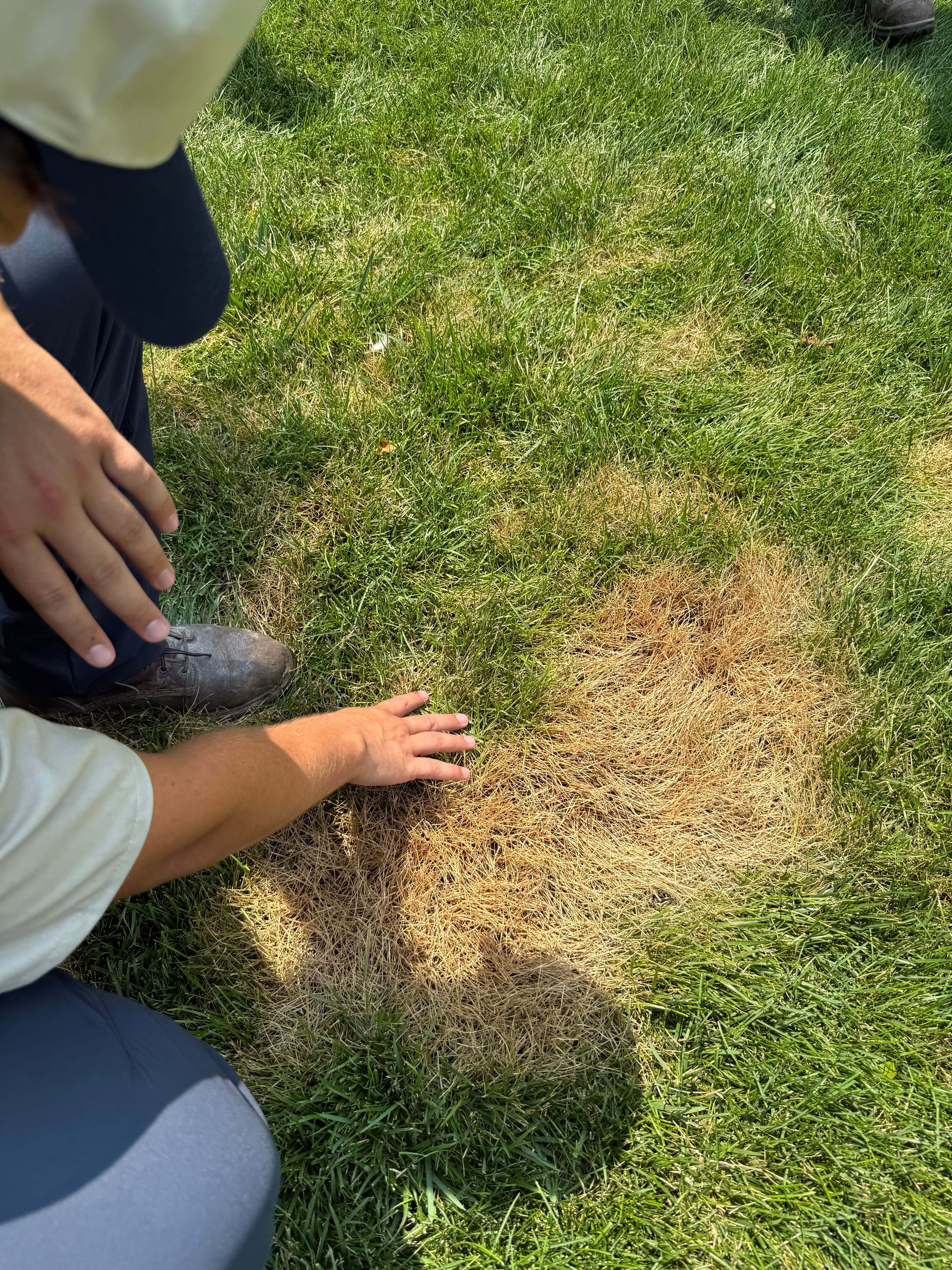
If areas remain thin while surrounding turf thickens, that is a red flag. Spots that feel loose or spongy may indicate crown damage or root loss. Grass that pulls up easily rather than resisting suggests the plant is no longer anchored.
These signs often appear in areas where snow piled up, foot traffic was heavy, or drainage was poor.
How Freeze Thaw Cycles Contribute to Permanent Damage
Omaha winters are rarely stable. Repeated freeze thaw cycles heave soil, stressing roots and crowns.
When soil freezes, expands, thaws, and refreezes, grass plants can be pushed upward. This exposes roots to air and cold, leading to desiccation and death.
Lawns on slopes, compacted soil, or newer construction lots are especially vulnerable to this type of damage.
The Role of Snow Cover and Ice
Snow can be both protective and harmful.
Even snow cover insulates turf. But uneven snow piles or ice buildup create problems. Areas buried under snow longer often emerge weaker, especially if moisture stays trapped.
Ice sheets block oxygen and can suffocate grass crowns. Once this type of damage occurs, grass does not recover without help.
Why Some Areas Recover Slower Than Others
Microclimates play a major role in lawn recovery.
North facing areas, shaded sections, and spots near buildings often stay colder longer. These areas green up later and can exaggerate the appearance of damage.
The key difference is progression. If an area slowly improves as temperatures rise, it is likely temporary. If it stalls while the rest of the lawn advances, intervention may be needed.
Common Areas Where Permanent Damage Appears
Certain locations are more prone to winter damage that does not self correct.
High traffic paths, areas near driveways, spots where snow was piled, and low lying sections with poor drainage are common problem zones.
Pet activity during winter also contributes to localized damage that persists into spring.
When Waiting Makes Things Worse
Patience is important, but waiting too long can create bigger problems.
Bare or thinning areas invite weeds once soil temperatures rise. Surrounding healthy grass struggles to spread into damaged zones if soil conditions are poor.
Addressing problem spots early allows repairs to blend naturally as the lawn enters peak growth.
How Overseeding and Repair Fit In
Permanent winter damage does not mean starting over.
Overseeding, soil improvement, and proper timing help restore density. The key is preparation. Damaged areas need loosened soil, good seed to soil contact, and protection during establishment.
Professional lawn care programs schedule these repairs around optimal growth windows for Omaha lawns.
Why Professional Evaluation Matters
It can be difficult for homeowners to determine whether damage is temporary or permanent.
At Brightside, we evaluate root strength, soil firmness, and growth response. This allows us to recommend solutions only when they are truly needed.
Treating every thin spot as a problem often leads to unnecessary work. Ignoring real damage leads to bigger repairs later.
What Homeowners Should Do in Early March
Early March is the time to observe and mark problem areas.
Avoid aggressive raking or heavy traffic on suspect spots. Let soil firm up and growth begin before deciding on action.
If areas do not improve as the rest of the lawn wakes up, that is the signal to plan repairs.
Turning Winter Setbacks Into Spring Success
Winter damage is frustrating, but it is also an opportunity.
Addressed properly, damaged areas can be improved beyond their original condition. Stronger soil, better drainage, and healthier turf create long term improvement.
At Brightside, we help Omaha homeowners identify which issues will resolve naturally and which need attention, so spring starts with clarity instead of guesswork.