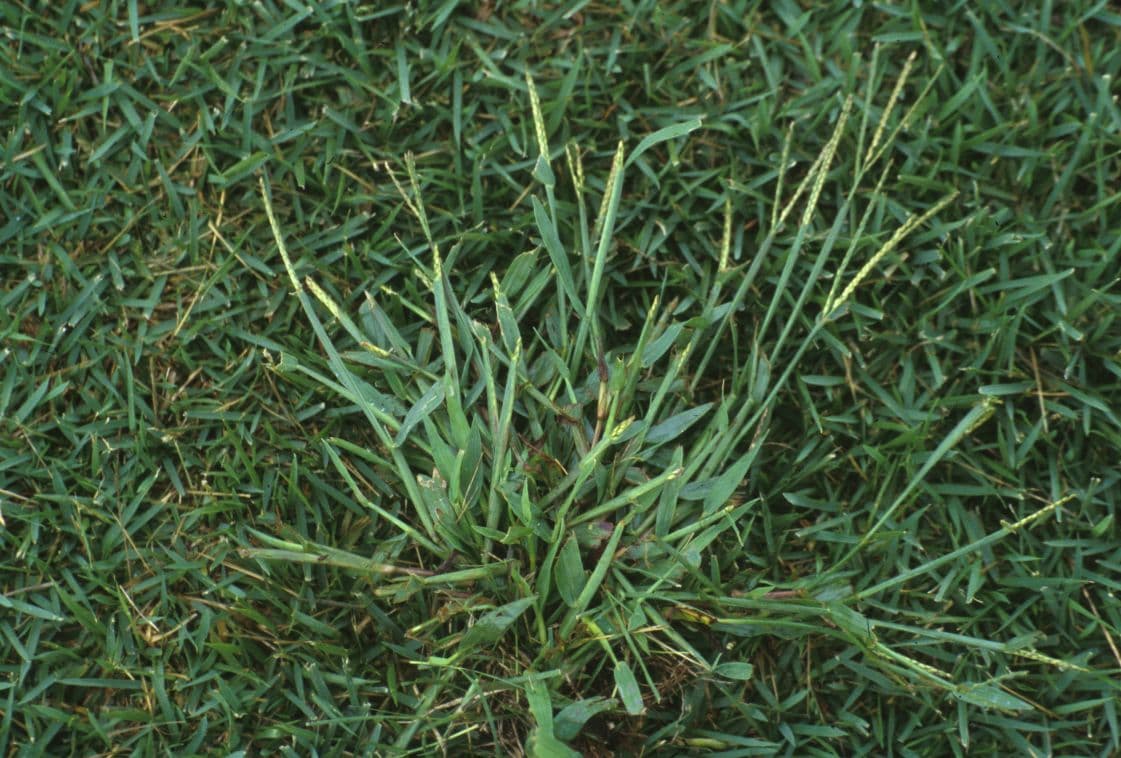
What Omaha Homeowners Should Know About Crabgrass Before It Appears
Crabgrass begins developing long before it appears in Omaha lawns. Learn how turf density and early lawn care influence crabgrass pressure.
Crabgrass is one of the most frustrating lawn problems Omaha homeowners face each year. By the time it becomes visible, it is already established and competing aggressively with healthy turf. The key to managing crabgrass is understanding its behavior before it ever shows up.
At Brightside, we focus on education early in the season because prevention and preparation always outperform reaction. Knowing how crabgrass develops helps homeowners make smarter choices throughout spring.
Why Crabgrass Is a Summer Problem That Starts in Spring
Crabgrass is a warm season annual weed. It does not survive winter as a plant. Instead, it returns from seed each year.
Those seeds remain dormant in the soil until conditions are right. As soil temperatures rise in spring, crabgrass seeds begin preparing to germinate. Once they sprout, they grow quickly and spread aggressively through summer heat.
By the time crabgrass is visible, control becomes far more difficult.
How Soil Conditions Influence Crabgrass Germination
Crabgrass favors stressed turf.
Thin lawns, compacted soil, and bare patches create ideal conditions for germination. When grass density is low, sunlight reaches the soil surface, warming it faster and triggering seed activity.
In Omaha, winter damage, foot traffic, and construction soil often create these vulnerable areas early in spring.
Why Early Lawn Density Matters More Than Treatments
One of the most effective crabgrass defenses is a thick lawn.
Healthy turf shades the soil and limits space for weeds to establish. Building density through proper fertilization, mowing, and soil health reduces crabgrass pressure naturally.
Chemical control alone cannot compensate for weak turf structure.
The Relationship Between Crabgrass and Mowing Practices
Mowing height plays a significant role.
Grass cut too short exposes soil to sunlight and heat, accelerating crabgrass germination. Taller grass shades the soil and maintains cooler conditions that discourage weed growth.
Early spring mowing decisions influence crabgrass pressure months later.
Why Crabgrass Appears in the Same Spots Every Year
Homeowners often notice crabgrass recurring in identical locations.
This happens because underlying issues remain unaddressed. Compaction, poor drainage, and thin turf persist year after year unless corrected.
Crabgrass is a symptom, not the root problem.
How Weather Patterns Affect Crabgrass Pressure
Warm springs speed up crabgrass development.
Extended dry periods followed by rain also favor germination. Omaha's variable spring weather creates unpredictable pressure levels from year to year.
Professional lawn care programs monitor these patterns to adjust strategies accordingly.
Why Post Emergent Control Is Challenging
Once crabgrass establishes, it grows rapidly and produces more seed.
Post emergent control becomes more difficult as plants mature. Multiple treatments may be required, and turf damage risk increases.
Preventive strategies are always more efficient and less disruptive.
How Lawn Care Programs Address Crabgrass Early
Effective crabgrass management begins with preparation.
Soil health, turf density, mowing practices, and properly timed applications all work together. There is no single solution.
At Brightside, our programs are designed to reduce conditions that allow crabgrass to thrive rather than simply reacting after it appears.
What Homeowners Can Do Now
Early spring is the time to strengthen turf.
Avoid scalping the lawn. Address compaction and thin areas. Follow a balanced fertilization plan. Keep expectations realistic and focus on long term health.
These steps make a noticeable difference before crabgrass season arrives.
Setting Expectations for Summer
Even well maintained lawns may see some crabgrass pressure in heavy stress years.
The goal is reduction, not perfection. Thicker turf recovers faster and limits spread, even if a few plants appear.
Understanding this helps homeowners evaluate success accurately.
Building Resistance Through Healthy Turf
Crabgrass thrives in weakness. Healthy lawns resist invasion naturally.
By focusing on turf strength early, Omaha homeowners set themselves up for fewer weed problems later in the season.
At Brightside, we believe the best defense against crabgrass is a lawn that grows strong enough to crowd it out.